
Bitget Wallet Hack Steals $351.6M: Gracy Chen Points Finger at North Korea
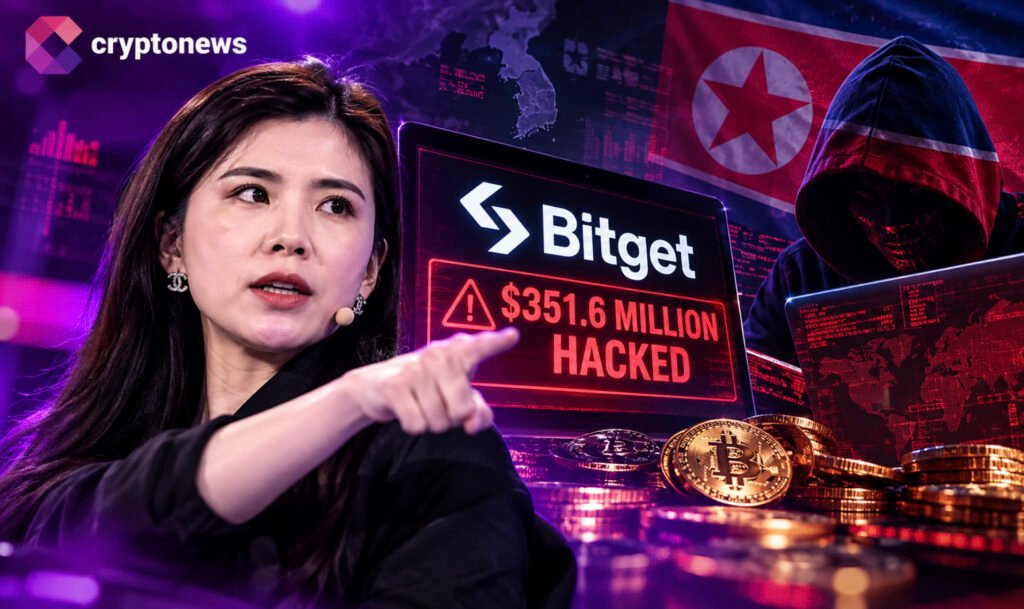
Bitget detected a hack involving $351.6 million in unauthorized transfers from parts of its wallet infrastructure and says its User Protection Fund, which it claims holds more than $464 million, covers the entire loss. Withdrawals remain suspended pending a security review, though deposits and trading continue uninterrupted.
Bitget’s security systems flagged the unauthorized activity within minutes of it starting, and emergency response protocols were activated immediately, according to the exchange’s own incident notice. The exchange has said it will not speculate on the attack vector until its internal investigation is complete.
The episode lands in a market that has already had to price in exchange-linked losses this year, from wallet exploits to platform-side fraud cases tied to major exchange customer losses elsewhere in the industry. Centralized custody risk hasn’t gone away just because reserves look large on a dashboard.
Trade Crypto Safely on Bybit and Get a Chance to Win Our $1,000 USDT Airdrop
North Korean Hacker Behind The Bitget Wallet Hack?
Bitget CEO Gracy Chen moved quickly to address the $351.6 million hack on X, confirming the wallet hack. Chen said the incident was detected at 18:31 UTC on September 24, with emergency response procedures activated within minutes. She also said Bitget’s cold wallets remained secure and that the exchange’s User Protection Fund held more than $464 million.
Chen later provided more detail during a livestream on X, saying attackers had compromised a backend system connected to Bitget’s wallet infrastructure. Rather than stealing private keys, the hackers allegedly manipulated transaction data and triggered the exchange’s own authorization process to move the funds.
The most explosive part of Chen’s comments was her suggestion that North Korean hackers may be behind the attack. She said Bitget’s preliminary investigation found IP addresses that matched VPN services associated with a North Korean hacking group. Chen also pointed to similarities with previous attacks attributed to North Korean operators, making the connection a key line of investigation.
Chen has stopped short of calling the attribution confirmed, however, describing North Korean involvement as “very likely” while investigators continue examining the evidence. Chen said Bitget does not currently believe the incident was an inside job, although the investigation remains ongoing.
Earn $50 and Enter $300K Prize Draw on EdgeX
What About Bitget Users?
Withdrawals stay frozen until Bitget’s security review concludes, and the exchange has not committed to a specific reopening window in its official notice. Reporting from Bloomberg indicates Chen said a full incident report with root-cause analysis and corrective actions would follow within 24 hours of the disclosure.
Now, will withdrawals actually resume on the timeline Bitget signals? Will the promised incident report name a concrete root cause?
Trading and deposits continue, and Bitget says customer balances remain accurate and protected. Its $464 million User Protection Fund is also claimed to cover the reported $351.6 million loss.
What happens next depends on the security review. Bitget has not given a withdrawal reopening date, saying services will resume once the investigation is complete. Until then, users should follow official updates rather than assume the incident is fully resolved.
Discover: The Best Token Presales
The post Bitget Wallet Hack Steals $351.6M: Gracy Chen Points Finger at North Korea appeared first on Cryptonews.